Last updated: April 15, 2026
“`html
St. Lucia All-Inclusive Resorts: What You’re Actually Paying For
Here’s what nobody tells you: St. Lucia’s all-inclusive resorts charge some of the highest nightly rates in the Caribbean—often $400–$800 per person—yet you’ll still see guests complaining about limited drink selections and mediocre food. The Pitons are genuinely spectacular, the island is genuinely beautiful, and the resorts genuinely capitalize on that. Before you book, you need to know exactly what you’re paying for and what you’re not.
The Real Cost Breakdown
St. Lucia all-inclusives fall into two camps: the mega-resorts (Sandals, Coconut Bay) and the smaller, pricier boutique properties (Anse Chastanet, Jade Mountain). Expect to pay $450–$650 per night for mid-range all-inclusives during shoulder season (May–June, September–October), jumping to $700–$1,000+ during winter. The catch? That “all-inclusive” price doesn’t include premium alcohol, spa treatments, water sports like scuba certification, or excursions off-property.
Sandals St. Lucia runs about $500–$750 nightly and includes basic spirits, beer, and wine. Coconut Bay, the budget option, sits around $350–$500 but feels noticeably more crowded. Anse Chastanet charges $600–$900 and markets itself as “luxury,” though you’re really paying for the location and exclusivity rather than dramatically better food or service.
What Actually Works at These Resorts
The Beaches and Water Access
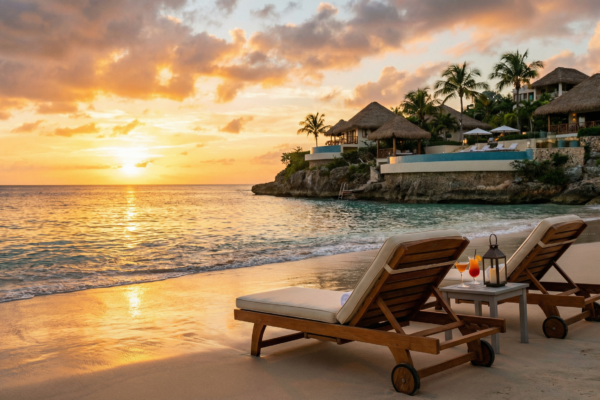
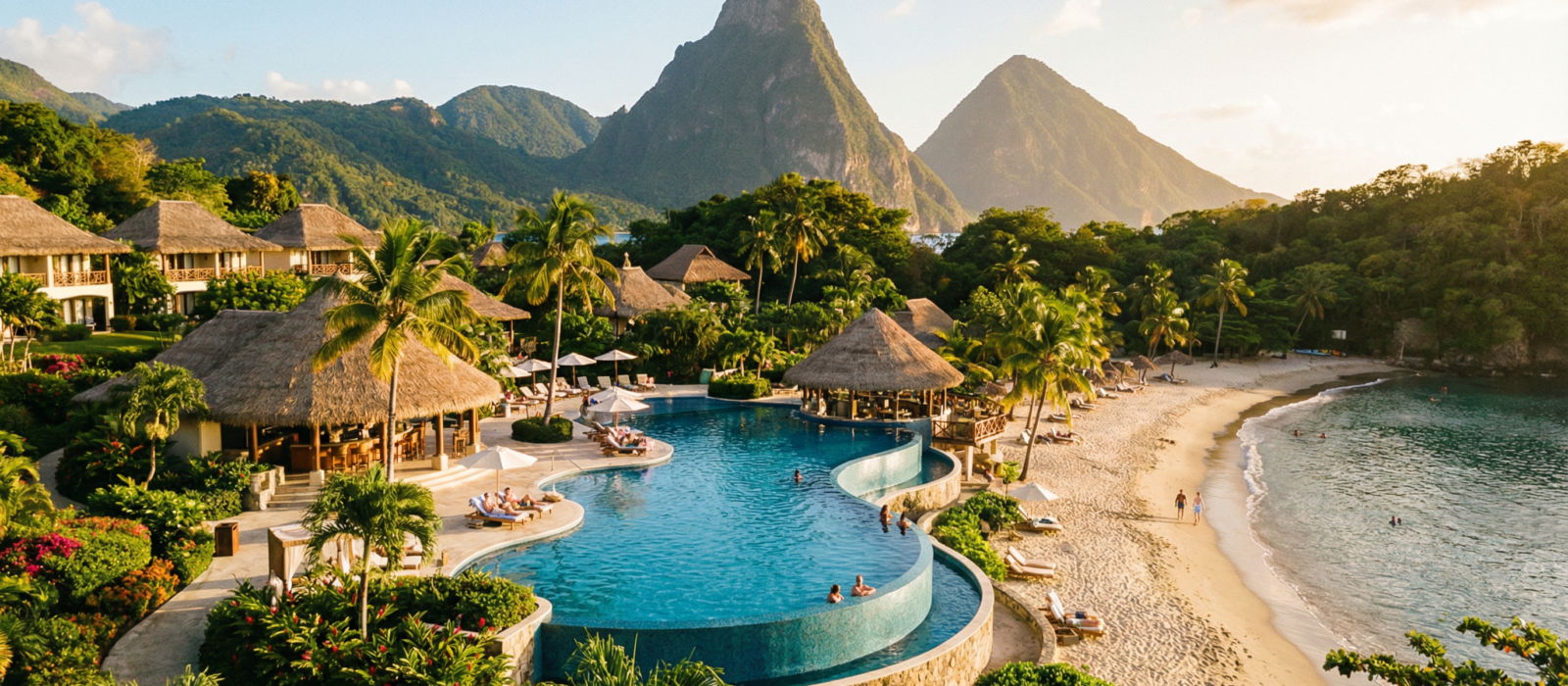
This is where St. Lucia resorts genuinely deliver. Most properties have direct beach access, and the water is warm year-round. Anse Chastanet’s beach sits directly below the Pitons—it’s legitimately one of the best resort views in the Caribbean. The snorkeling from the beach is solid; you’ll see parrotfish, sergeant majors, and the occasional sea turtle without needing a boat. Coconut Bay has two beaches (one calm, one with waves), which is useful if you have mixed preferences in your group.
The real advantage: you can snorkel right from shore. Most resorts include basic snorkel gear. Don’t expect pristine coral reefs—they’re recovering from bleaching—but the marine life is there.
The Food (Manage Expectations)
Buffet quality varies wildly. Sandals’ main buffet serves the standard Caribbean resort fare: overcooked chicken, underseasoned rice, wilted salads. The à la carte restaurants (usually 2–3 per property) are better. At Sandals, the Italian restaurant and seafood grill are worth the reservation. Coconut Bay’s buffet is actually decent for the price point—they rotate themes and include local dishes like callaloo and salt fish.
Here’s the insider move: eat breakfast at the resort (it’s included and solid), grab lunch at a local spot in Soufrière or Castries (15–20 minutes away), and return for dinner. You’ll eat better food, support local businesses, and break up the monotony. Budget $15–$25 per person for lunch off-property.
The Drinks (Where They Get You)
All-inclusive drinks are typically well liquor and basic Caribbean rum. If you’re a rum drinker, you’re fine. If you want premium spirits, craft cocktails, or specific wines, you’ll pay $8–$15 per drink extra. The swim-up bars are more social than functional—the drinks are weak and the bartenders are overwhelmed.
Pro tip: buy a bottle of good rum at the airport duty-free ($20–$30) and keep it in your room. Mix it with the free juices and sodas. Resorts technically don’t allow outside alcohol, but enforcement is minimal if you’re discreet.
The Significant Drawbacks
Hurricane Season and Weather Risk
St. Lucia sits in the Atlantic hurricane belt. June through November is official hurricane season, with September–October being peak risk. Resorts rarely offer meaningful discounts during this period, even though the threat is real. In 2021, Hurricane Elsa caused significant damage. Most resorts have hurricane plans, but you could lose vacation days to weather closures or spend them confined to your room.
Best time to visit: December–April. Worst time: September–October (cheapest rates, but highest risk).
The Island Itself Is Hilly and Difficult to Navigate
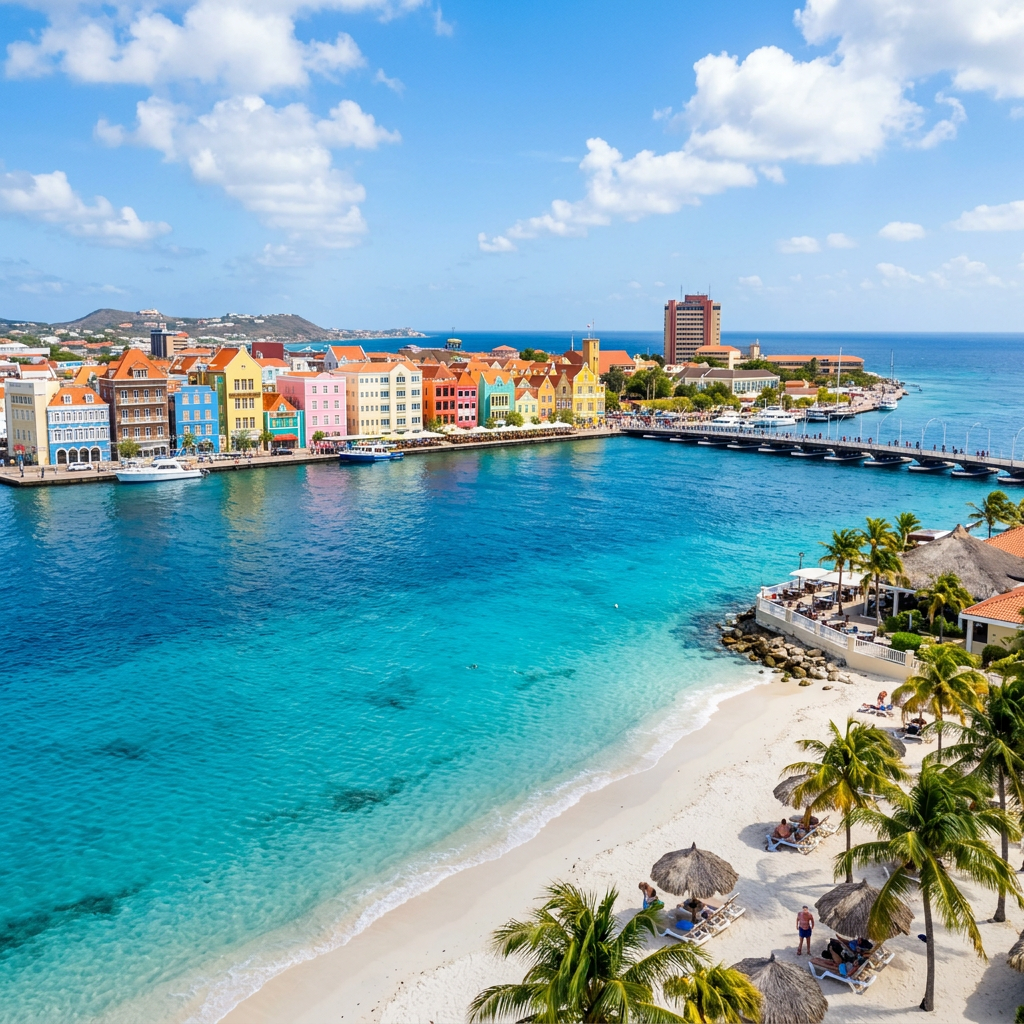
St. Lucia’s roads are narrow, winding, and poorly marked. If you rent a car, expect white-knuckle driving. Taxis are expensive ($40–$60 for short trips). Many guests end up staying at the resort because getting around is such a hassle. This defeats the purpose of visiting an island with real culture and food scenes.
Limited Nightlife at the Resort
Don’t expect the party atmosphere of Jamaica or Cancun. Most St. Lucia resorts have one or two bars, occasional live music, and that’s it. If you’re under 30 and seeking nightlife, you’ll be disappointed. The island has bars in Castries and Rodney Bay, but getting there requires planning and transportation costs.
Overcrowding and Service Fatigue
Sandals properties are packed, especially during winter. You’ll wait for tables, wait at bars, and share beach loungers. Staff are friendly but visibly stretched thin. Smaller properties like Anse Chastanet feel less hectic but charge significantly more.
Hidden Gems and Practical Tips
Book Excursions in Advance
The Gros Piton hike ($60–$80 per person) and Sulphur Springs tour ($40–$50) are worth doing, but book through local operators, not the resort. Resort markup is 30–40%. Contact Sunlink Tours or Morne Fortune Tours directly—they’re cheaper and more personalized.
Visit Soufrière for Lunch
This town has the best local food on the island. Try Dasheene (upscale but worth it) or grab street food near the market. The drive is 30 minutes from most resorts, but it’s the highlight of most guests’ trips.
Skip the Spa at the Resort
Resort spas charge $150–$200 for a massage. Walk into town and pay $60–$80 for the same service. Quality is comparable.
Rent a Car for One Day Only
Rather than renting for your entire stay, rent for a single day to explore. This gives you independence without the stress of constant driving. Cost: $50–$70 for the day.
Room Categories: What You’re Actually Paying For
Standard Rooms
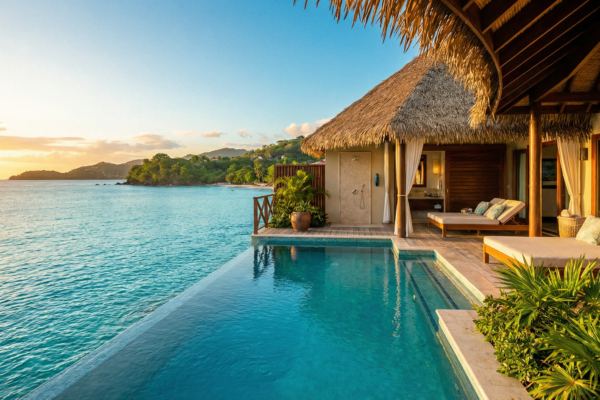
Entry-level rooms at Sandals (Caribbean Deluxe tier) start around $700–$900 per night. They’re located in the back of the resort, often with a garden view. They’re clean, have a king-sized bed, a stocked mini-fridge with beer and soft drinks, and a decent-sized bathroom. You’re not getting a sweeping ocean view, and the decor is traditional Caribbean rather than modern. But if you spend most of your time outside the room, they offer fantastic value. You get access to the exact same restaurants, pools, and beach as someone paying three times as much.
Club Level
The middle tier includes a slightly better room location (often with partial ocean or pool view), in-room liquor dispensers (full-size bottles of rum, gin, vodka), and access to the Club Sandals lounge. The lounge is a quiet, air-conditioned space with snacks, coffee, and a dedicated concierge who can book dinner reservations and tours. Is it worth it? If you hate waiting in line at the main tour desk or want to make your own strong cocktails in your room, maybe. For most, it’s a marginal upgrade.
Butler Elite and Over-the-Water Bungalows
This is the top tier, with prices soaring past $2,000 per night. Your butlers (you get a team of two or three) handle everything. They give you a cell phone to call them directly. They’ll reserve your pool chairs with a cooler of your favorite drinks, make all your dinner reservations, escort you to dinner, bring you lunch on the beach, and even draw you a bath. It’s pure indulgence, but it’s not for everyone. If you’re fiercely independent, you might find it awkward. If you want to think about absolutely nothing on your vacation, it’s a game-changer.
My advice: Save your money on the butler unless you’re celebrating a major milestone and want the full VIP treatment. The standard rooms offer the best bang for your buck.
Restaurant Guide: The Honest Rankings
With 12 restaurants across Sandals properties, you won’t go hungry. But not all are created equal. Make reservations for the “reservation-required” restaurants the day you arrive.
Must-Eats
- Gordon’s on the Pier: The signature restaurant, set on a pier over the water. It’s an additional cost unless you’re in a Butler-level room, but it’s worth paying for one special night. The food (mostly steak and seafood) is the best on the property, and the setting is unbeatable. Book it for sunset.
- Soy: Hands down, the best casual spot. This small sushi restaurant doesn’t require reservations, but there can be a wait. The rolls are fresh, creative, and unlimited. It’s a perfect pre-dinner appetizer spot.
- The Jerk Shack: Don’t miss this for lunch. Authentic, spicy jerk chicken and pork served in a rustic beachside shack. The “Hellfire” sauce is no joke. It’s simple, delicious, and a true taste of the Caribbean.
- Josephine’s Creperie: A hidden gem for a sweet afternoon snack or light breakfast. They make sweet and savory crepes to order, along with specialty coffees and ice cream.
Good, Not Great
- Bayside: Your main buffet for breakfast and lunch. Lots of options, live cooking stations, and great views. It turns into a French brasserie for dinner (reservations required), which is decent but not mind-blowing.
- Barefoot by the Sea: Eat with your toes in the sand. The menu is mostly seafood. It’s more about the atmosphere than culinary excellence, but it’s a lovely experience for a casual dinner.
Honestly, Skip It
- Toscanini’s: The Italian restaurant. I’ve tried it on multiple visits, and it’s consistently disappointing. The pasta dishes are heavy and lack finesse. You can get better Italian food at home. There are too many other great options to waste a dinner here.
Who Should Book and Who Shouldn’t
Book St. Lucia All-Inclusive If You:
- Want guaranteed beach access and don’t mind paying premium prices for it
- Prefer relaxation over exploration
- Travel with young kids (resorts have kids’ clubs and safe environments)
- Value predictability and don’t want to research restaurants or transportation
- Are willing to venture off-property for the best experiences
- Want to try scuba diving (the PADI certification programs offer real value)
Skip It If You:
- Want authentic Caribbean culture (you’ll be isolated at the resort)
- Are budget-conscious (you can find better value in Mexico or Dominican Republic)
- Seek nightlife and social scenes
- Have mobility issues (the island is hilly and difficult to navigate)
- Travel during hurricane season and want peace of mind
- Prefer exploring local towns and restaurants on your own
The Bottom Line
St. Lucia all-inclusives deliver on the basics: beautiful setting, beach access, and hassle-free logistics. But you’re paying premium prices for a somewhat isolated experience. The real St. Lucia—the food, the people, the culture—exists outside the resort gates. If you’re willing to leave the property for meals and activities, you’ll have a great trip. If you plan to stay put, you’ll feel confined and overcharged.
Book Anse Chastanet or Jade Mountain only if luxury and exclusivity matter more than value. Choose Sandals if you want the full resort experience with multiple restaurants and activities. Pick Coconut Bay if you’re budget-conscious and don’t mind crowds. In all cases, plan to spend money beyond the all-inclusive rate for the experiences that actually make St. Lucia worth visiting.
“`