
“`html
Jade Mountain St. Lucia Review 2026: The Most Dramatic Resort in the Caribbean?
Quick Facts: Jade Mountain St. Lucia
- Location: Soufrière, St. Lucia (southwestern coast, UNESCO World Heritage area)
- Resort Type: Ultra-luxury, adults-only (18+), all-suite, architectural landmark
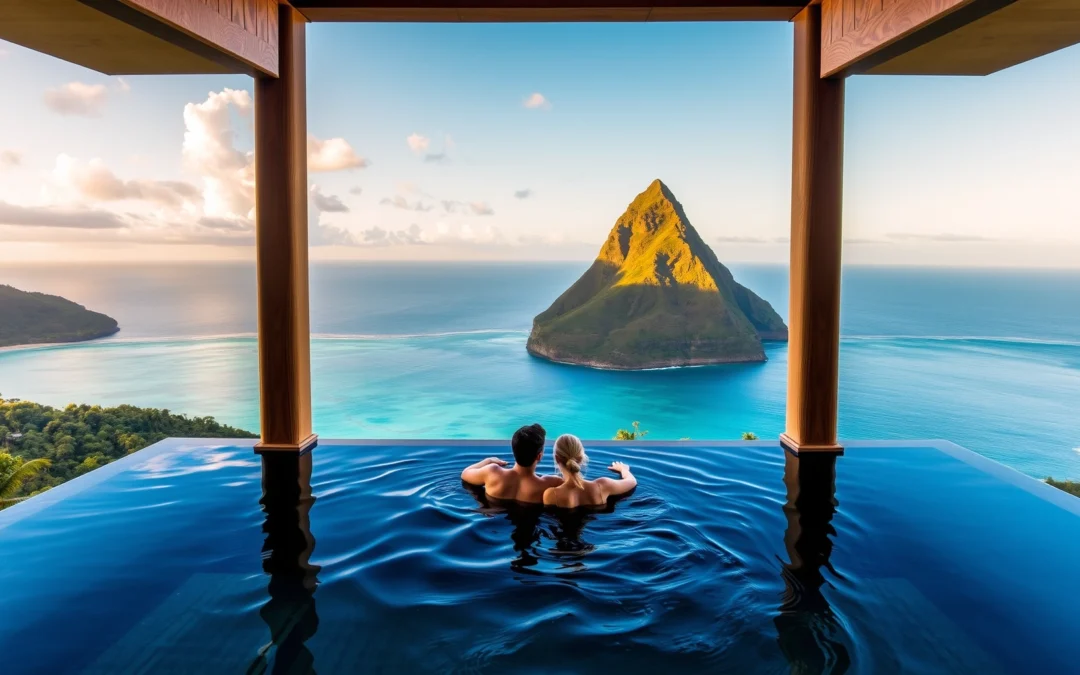
- Signature Feature: Open-wall sanctuaries with private infinity pools & unobstructed Piton views
- Room Count: 24 suites (intentionally intimate and exclusive)
- Price Range 2026: $1,500–$4,500+ per night depending on sanctuary tier
- All-Inclusive Options: Modified plans available; meals at sister resort Anse Chastanet
- Best For: Honeymooners, anniversary couples, luxury travelers, photographers, bucket-list seekers
- Booking Window: 6–12 months in advance recommended for peak season
- Tech Policy: No TVs, phones, or radios in sanctuaries; Wi-Fi available but discouraged
At a Glance: Why Jade Mountain Is Different
Jade Mountain isn’t just another Caribbean resort—it’s a statement piece. Perched on a 600-foot cliff overlooking the UNESCO World Heritage Pitons, this 24-suite property has redefined what luxury means in the tropics. Since opening in 2002, it’s become the gold standard for couples seeking an unforgettable, intimate escape.
What makes Jade Mountain legendary? Three words: open-wall sanctuaries. No fourth wall. No traditional windows. Just you, the Caribbean Sea, and two 2,600-foot volcanic peaks framing your private infinity pool. It’s theatrical, dramatic, and absolutely Instagram-worthy—but is it worth $1,500+ per night? Let’s dig in.
This resort is part of a larger luxury ecosystem in St. Lucia. For more St. Lucia luxury resort options, or to explore other luxury resorts in the Caribbean, we have comprehensive guides. But if you’re specifically interested in adults-only couples resorts, Jade Mountain is in a league of its own.
The Concept: Open-Wall Sanctuaries Explained
Here’s where Jade Mountain breaks the mold. Each suite is designed with three solid walls and one completely open side facing the ocean. Architect Nick Troubetzkoy’s vision was radical: eliminate the barrier between guest and nature. No glass. No screens. Just open air.
What This Actually Means
When you’re in your sanctuary, you’re essentially living outdoors. Your bed faces the Pitons. Your infinity pool blends seamlessly with the sea horizon. The sound of waves, tropical birds, and wind become your ambient soundtrack. It’s meditative, romantic, and occasionally—yes—a bit exposed (though privacy screens are available if needed).
The open design also means:
- Natural ventilation: No AC needed most nights; ocean breezes keep you cool and comfortable
- Sunrise/sunset immersion: You wake to the sun rising over the Pitons; you fall asleep watching it set in golden light
- Weather exposure: Heavy rain? You’ll feel it. Strong winds? They’re part of the experience. This isn’t for climate-control purists
- Wildlife encounters: Hummingbirds, tropical birds, and the occasional curious lizard visit your space
- Complete privacy: Your sanctuary is positioned so you can’t see other guests, and they can’t see you
This isn’t for everyone. If you need total climate control, blackout curtains, and sealed windows, Jade Mountain will feel uncomfortable. But if you crave immersion in nature’s drama, it’s transcendent.
The Infinity Pools: Every Room Has One
Let’s talk about the main selling point: private infinity pools with direct Piton views. This isn’t a shared pool area. This is your personal slice of paradise.
What You’re Getting
Each sanctuary includes a 12-foot by 24-foot infinity pool that appears to spill directly into the Caribbean Sea. The water temperature hovers around 82°F year-round. The view? Unobstructed Pitons, turquoise water, and nothing else. You can literally swim while gazing at one of the world’s most iconic natural landmarks.
The pools are:
- Heated: Comfortable even during cooler months (December–February)
- Saltwater: Chlorine-free; gentler on skin and hair than traditional pools
- Infinity-edge: Creates that seamless horizon effect that makes photos look unreal
- Stocked daily: Fresh towels, complimentary beverages, fresh fruit, and snacks
- Maintained impeccably: Staff cleans and refreshes throughout the day
Photographers and Instagram enthusiasts: this is why you come. The Piton-framed pool shot is iconic and will get thousands of likes. Couples: this is where you’ll spend 60% of your stay, floating in luxury while gazing at one of the world’s most beautiful views. Solo travelers (yes, they’re welcome): this is your meditation space.
Sanctuary Categories: Sky vs. Moon vs. Star
Jade Mountain offers three sanctuary tiers, each with distinct views, sizes, and price points. Understanding the differences is crucial for choosing the right fit for your budget and expectations.
| Sanctuary Type | Size | View Profile | Price Range (2026) | Best For |
|---|---|---|---|---|
| Star Sanctuary | 1,200 sq ft | Partial Piton view; some ocean obstruction from cliff vegetation; lower elevation | $1,500–$2,200/night | Budget-conscious luxury seekers; first-time visitors; those who prioritize value |
| Moon Sanctuary | 1,500 sq ft | Full Piton view; unobstructed ocean horizon; elevated position; most popular choice | $2,200–$3,200/night | Most popular; honeymooners; best value-to-experience ratio; repeat visitors |
| Sky Sanctuary | 1,800 sq ft | Panoramic Piton views; highest elevation; most dramatic sunrise/sunset; premium positioning | $3,200–$4,500+/night | Special occasions; photography enthusiasts; those seeking the ultimate experience |
Which Sanctuary Should You Choose?
Star Sanctuaries are the entry point to Jade Mountain. You still get the iconic open-wall experience and a private infinity pool, but with some vegetation partially obscuring the Pitons. If this is your first visit and you’re budget-conscious, a Star is a solid choice. You’ll still have an unforgettable experience.
Moon Sanctuaries are the sweet spot. They offer unobstructed Piton views, excellent elevation, and the best value proposition. Most guests choose Moon sanctuaries, and for good reason. The view is spectacular, the space is generous, and you’re not paying the premium for the Sky tier.
Sky Sanctuaries are the crown jewels. Positioned at the highest elevation, they offer the most dramatic sunrise and sunset views. If you’re celebrating a major milestone (honeymoon, 25th anniversary, etc.) and budget isn’t a concern, a Sky sanctuary is worth the splurge. The extra $1,000+ per night buys you the most Instagram-worthy location on the property.
Is Jade Mountain All-Inclusive?
This is a common point of confusion. Jade Mountain is not a traditional all-inclusive resort. However, it does offer modified all-inclusive packages.
How It Works
Jade Mountain is the ultra-luxury, adults-only sanctuary property. Its sister resort, Anse Chastanet, sits directly below it on the beach and serves as the dining hub. Here’s the breakdown:
- Room-only rate: You pay for your sanctuary only. Meals, drinks, and activities are à la carte
- All-inclusive package: Includes breakfast, lunch, and dinner at Anse Chastanet restaurants, plus select beverages and activities
- Modified plans: Breakfast-only, half-board, or custom packages available
- Access: You walk down to Anse Chastanet for meals (about 5-10 minutes via stairs or shuttle)
The all-inclusive package typically adds $300–$500 per person per day, depending on the season. For many guests, this is worth it because Anse Chastanet’s restaurants are excellent, and you avoid the hassle of booking separate dining.
Dining at Anse Chastanet
The restaurants at Anse Chastanet are surprisingly good for a sister property. You get farm-to-table cuisine, fresh seafood, and Caribbean flavors. The main restaurant overlooks the beach, and there’s a casual beachfront bar. It’s not fine dining, but it’s well-executed and satisfying.
Dining: Jade Mountain Restaurant
While most dining happens at Anse Chastanet, Jade Mountain has its own signature restaurant experience: the Jade Mountain Restaurant, perched on the cliff with panoramic Piton views.
The Experience
This is where Jade Mountain shines culinarily. The restaurant features:
- Farm-to-table cuisine: Ingredients sourced from local St. Lucian farms and fishermen
- Rooftop setting: Dining with the Pitons as your backdrop—one of the world’s most stunning restaurant views
- Intimate atmosphere: Only 24 guests on the property, so the restaurant never feels crowded
- Seasonal menus: Dishes change based on what’s fresh and available
- Wine pairings: Curated wine list with Caribbean and international selections
Dinner is typically a 3–4 course affair, served family-style or à la carte depending on the night. The chef focuses on Caribbean flavors with international techniques. Fresh mahi-mahi, local lobster, tropical fruits, and vegetables are staples.
If you’re on the all-inclusive plan, meals at the Jade Mountain Restaurant are included. If you’re room-only, dinner typically costs $80–$120 per person.
The Beach: Anse Chastanet
One thing to understand: Jade Mountain doesn’t have its own beach. You access the beach via Anse Chastanet, the sister resort below.
What to Expect
Anse Chastanet beach is a dark-sand beach (volcanic sand) with calm, clear water. It’s not a postcard-perfect white-sand beach, but it’s beautiful and swimmable. The beach is small and intimate, which fits the Jade Mountain vibe.
- Beach access: Free for Jade Mountain guests; about a 5-10 minute walk down stairs or via shuttle
- Amenities: Beach bar, loungers, towels, water sports equipment
- Crowd level: Quiet and uncrowded; you’ll rarely see more than a handful of people
- Swimming: Safe and calm; good for all levels
The beach is more of a bonus than a main attraction. Most Jade Mountain guests spend their time in their sanctuary pools rather than on the beach. But it’s nice to have the option for a change of scenery.
Watersports & SCUBA at Anse Chastanet
If you’re interested in water activities, Anse Chastanet offers a full range of options.
Available Activities
- SCUBA diving: Anse Chastanet is a PADI-certified dive center with excellent house reef diving
- Snorkeling: The house reef is accessible from the beach; great for beginners
- Kayaking: Explore the coastline and nearby coves
- Paddleboarding: Calm waters make this accessible for all levels
- Fishing: Deep-sea and reef fishing available
- Boat tours: Sunset cruises and island excursions
Most activities are à la carte, though some are included in all-inclusive packages. SCUBA diving typically costs $100–$150 per dive. Snorkeling is usually free or included.
Who Stays Here?
Jade Mountain attracts a specific demographic. Understanding who stays here will help you decide if it’s the right fit.
The Typical Guest
- Honeymooners: The largest segment; couples celebrating their first trip as a married couple
- Anniversary couples: 10th, 25th, 50th anniversaries; major milestones
- Luxury travelers: High-net-worth individuals seeking exclusive, unique experiences
- Photographers: Instagram influencers and photography enthusiasts chasing the perfect shot
- Bucket-list seekers: Travelers who’ve saved for years to experience Jade Mountain
- Repeat visitors: People who’ve been to other luxury resorts and want something different
The vibe is romantic, intimate, and sophisticated. You won’t find families, large groups, or party crowds. The average guest is 35–65 years old, well-traveled, and seeking a transformative experience rather than just a vacation.
Jade Mountain vs. Ladera Resort
If you’re considering Jade Mountain, you’ve probably also looked at Ladera Resort, another ultra-luxury property in St. Lucia with Piton views. How do they compare?
| Feature | Jade Mountain | Ladera Resort |
|---|---|---|
| Signature Design | Open-wall sanctuaries (no 4th wall) | Open-air suites with 3 walls; more enclosed |
| Private Pools | Every room has one | Most rooms have one; some don’t |
| Price Range | $1,500–$4,500+/night | $1,200–$3,500/night |
| Room Count | 24 suites (very intimate) | 37 suites (slightly larger) |
| Piton Views | Unobstructed from most rooms | Excellent but some obstruction |
| Beach Access | Via sister resort Anse Chastanet | Private beach access |
| Dining | Rooftop restaurant; farm-to-table | On-site restaurant; fine dining |
| Vibe | Theatrical, dramatic, immersive | Elegant, refined, traditional luxury |
Which Should You Choose?
Choose Jade Mountain if: You want the most dramatic, immersive experience. You’re willing to embrace the open-wall design. You prioritize exclusivity and intimacy. You want the most Instagram-worthy location. You’re celebrating a major milestone.
Choose Ladera if: You want luxury but prefer more traditional comfort. You want private beach access. You prefer a slightly larger property with more dining options. You want a more enclosed, climate-controlled environment.
Both are exceptional resorts. Jade Mountain is more theatrical and immersive; Ladera is more refined and traditional. Your choice depends on your personality and what kind of experience you’re seeking.
Price & Value 2026: Is It Worth $1,500+ Per Night?
Let’s address the elephant in the room: Jade Mountain is expensive. At $1,500–$4,500+ per night, it’s one of the most expensive resorts in the Caribbean. Is it worth it?
The Cost Breakdown
Here’s what you’re paying for:
- Exclusivity: Only 24 suites on the entire property; you’ll never feel crowded
- Iconic design: You’re staying in an architectural landmark; this is a once-in-a-lifetime experience
- Piton views: The most dramatic natural backdrop in the Caribbean; priceless for photos
- Privacy: Your sanctuary is completely private; you won’t see other guests
- Service: Exceptional staff-to-guest ratio; personalized attention
- Dining: Farm-to-table restaurant with world-class views
- Location: UNESCO World Heritage site; you’re staying in one of the world’s most beautiful places
Value Proposition
Is it worth it? That depends on your priorities and budget.
It’s worth it if: You’re celebrating a major milestone (honeymoon, anniversary). You’re a photography enthusiast or content creator. You value exclusivity and privacy above all else. You’ve saved for years for this experience. You want a transformative, once-in-a-lifetime trip.
It might not be worth it if: You’re budget-conscious and looking for value. You prefer traditional comfort and climate control. You want a beach-focused vacation. You’re not interested in the open-wall design. You prefer larger resorts with more amenities.
For honeymooners and anniversary couples, most guests say it’s worth every penny. The experience is unforgettable, and the memories last a lifetime. For budget-conscious travelers, there are excellent alternatives in St. Lucia at lower price points.
Booking Tips: How to Get the Best Deal
Best Time to Visit
- Peak season (December–March): Highest prices; best weather; most crowded (relatively speaking)
- Shoulder season (April–May, September–November): Lower prices; still good weather; fewer guests
- Green season (June–August): Lowest prices; occasional rain; fewer tourists
- Hurricane season (September–October): Lowest prices; some rain risk; very quiet
For the best value, book for May–June or September–October. You’ll get 20–30% discounts compared to peak season, and the weather is still excellent.
Booking Strategy
- Book 6–12 months in advance: Jade Mountain fills up quickly, especially for peak season
- Use a luxury travel agent: They often have access to package deals and upgrades not available to the public
- Call directly: Sometimes the resort offers phone-only specials or packages
- Check for package deals: Jade Mountain occasionally bundles rooms with activities or dining credits
- Consider a longer stay: 4+ night stays sometimes get discounted nightly rates
Which Sanctuary to Book
If this is your first visit and you’re budget-conscious, start with a Moon Sanctuary. You get the full Jade Mountain experience at a reasonable price point. If you’re celebrating a major milestone or this is a repeat visit, upgrade to a Sky Sanctuary for the ultimate experience.
Room-Only vs. All-Inclusive
If you plan to eat all meals at Anse Chastanet, the all-inclusive package is better value. If you want flexibility to explore other restaurants or eat fewer meals, book room-only and pay à la carte.
Pros and Cons: The Honest Truth
✓ Pros
- Iconic, unforgettable design; once-in-a-lifetime experience
- Unobstructed Piton views; world-class photography opportunities
- Exceptional privacy and exclusivity; only 24 suites
- Private infinity pool in every room
- Excellent service and staff attention
- Romantic atmosphere; perfect for couples
- Farm-to-table dining with stunning views
- Peaceful, quiet environment; no crowds
✗ Cons
- Extremely expensive; $1,500+ per night
- Open-wall design not for everyone; weather exposure
- No traditional beach; must walk to sister resort
- Limited dining options; mostly at Anse Chastanet
- Not all-inclusive in traditional sense
- Can feel isolating if you prefer social atmosphere
- Limited activities; more of a relaxation destination
- Steep stairs to beach; not ideal for mobility issues
Final Verdict: Is Jade Mountain Worth It?
Our Recommendation: 4.8 / 5.0 ★★★★★
Jade Mountain St. Lucia is absolutely worth it—if you’re the right guest.
This isn’t a resort for everyone, and that’s by design. Jade Mountain is for couples seeking an unforgettable, transformative experience. It’s for honeymooners, anniversary celebrants, and travelers who’ve saved for years to experience something truly special.
The open-wall sanctuaries are theatrical and dramatic. The Piton views are unmatched. The privacy is absolute. The service is exceptional. Yes, it’s expensive—but you’re not just paying for a room; you’re paying for an experience that will stay with you forever.
If you’re budget-conscious or prefer traditional comfort, there are excellent alternatives in St. Lucia. But if you want the most dramatic, Instagram-worthy, romantic resort experience in the Caribbean, Jade Mountain delivers.
Bottom line: Book it. You won’t regret it.
Ready to book your Jade Mountain experience? Check availability and rates or contact a luxury travel specialist for personalized recommendations.
“`